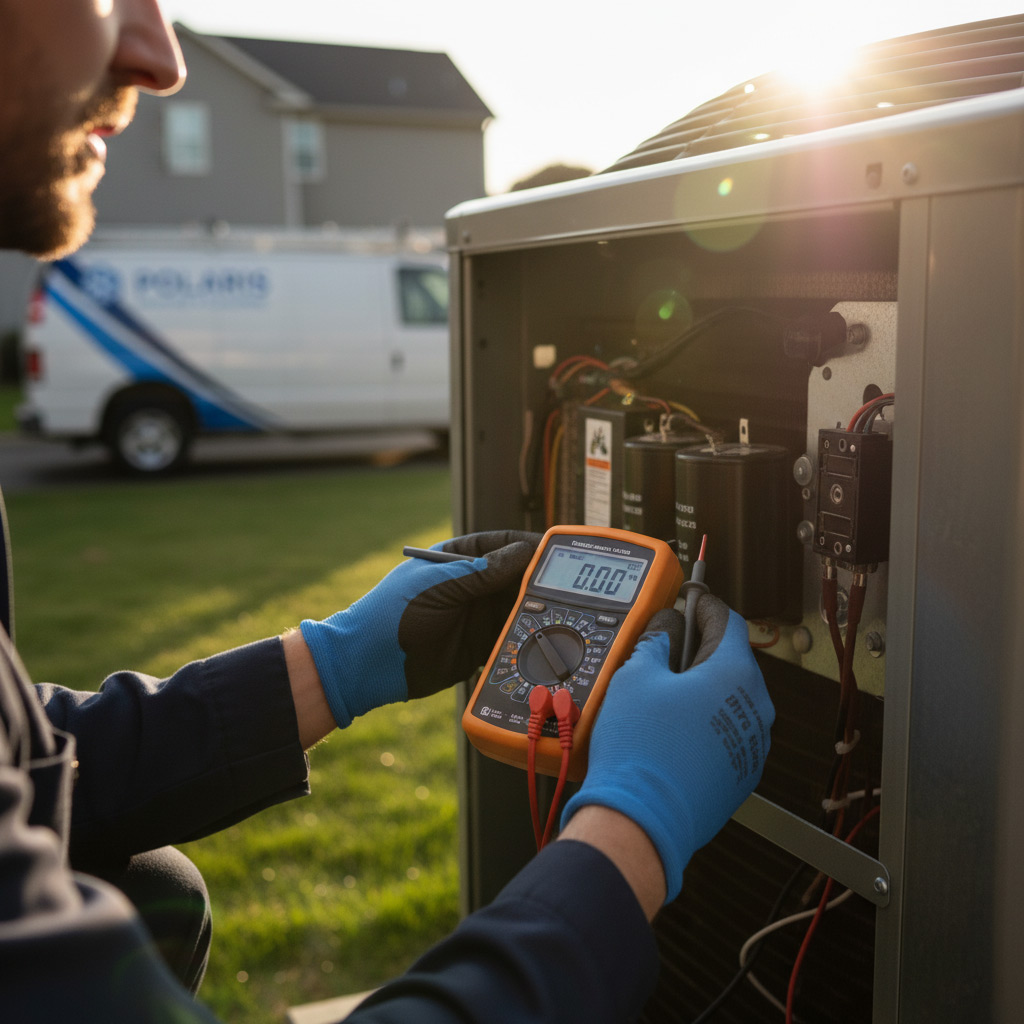
Got a strange rattle or a warm breeze from your AC? Thinking about grabbing a screwdriver and tackling that HVAC issue yourself to save a few bucks? Hold that thought for a moment.
We get it – nobody wants a surprise repair bill, especially when Atlanta’s weather throws its worst at us. But jumping into a DIY fix without the right knowledge can quickly turn a minor annoyance into a major, costly meltdown.
Before you risk making things worse, or even creating a safety hazard, there are crucial things every Atlanta homeowner needs to understand about their heating and cooling system. Let's dig into what you absolutely need to know before attempting any home HVAC fixes.
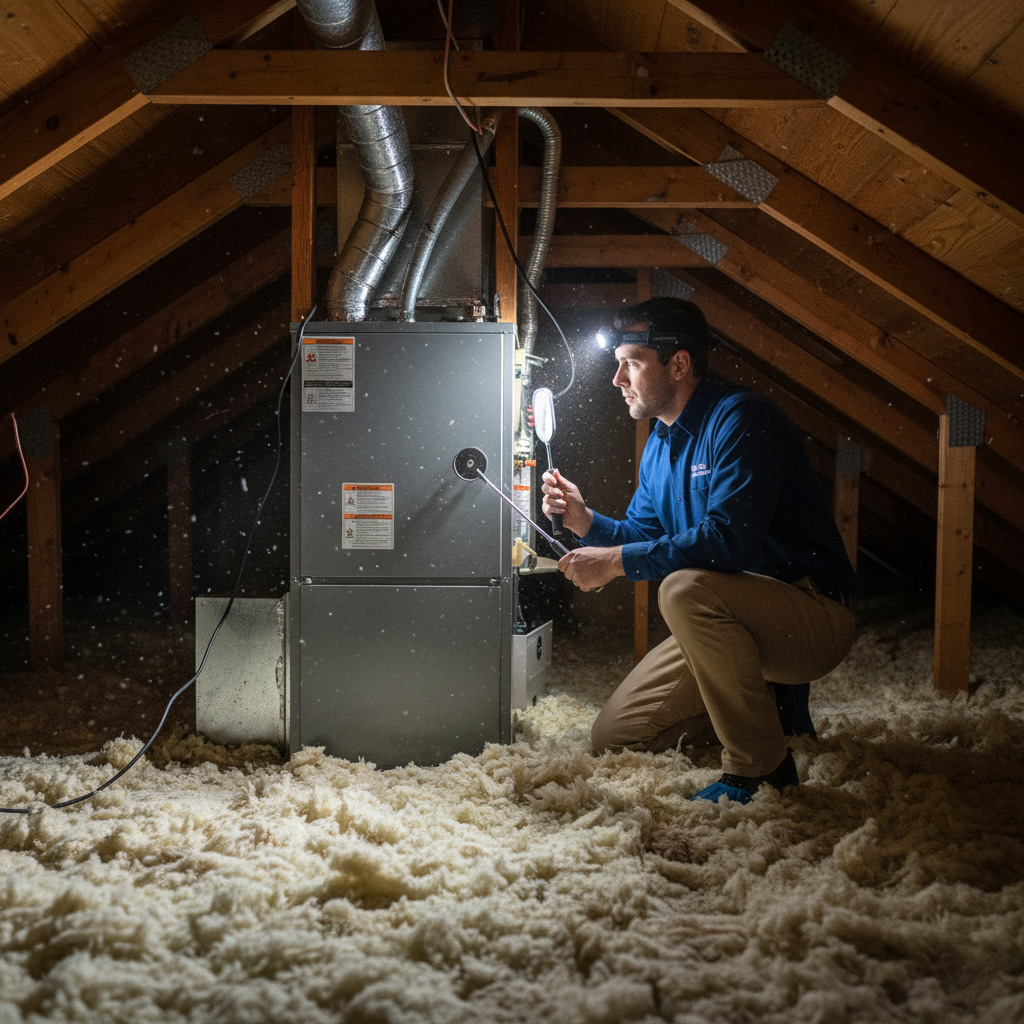
Safe DIY HVAC Checks: What You CAN Tackle Before Calling Us
Before you even think about pulling out a multimeter or dismantling a panel, let's talk about the low-hanging fruit. There are a handful of simple, zero-risk checks you can perform that often resolve minor issues. These aren't just guesses; they're the first steps any professional technician takes. Doing them yourself could save you the cost of a service call, plain and simple.
Think of these as your HVAC system's equivalent of "Is it plugged in?" Often, the fix is embarrassingly simple once you know where to look. We’re talking about basic maintenance and observation, not complex diagnostics.
Your Pre-Call HVAC Checklist:
-
Thermostat Settings & Batteries: Is your thermostat set to "COOL" (or "HEAT" if it's winter) and not "FAN ON"? Is the temperature setting actually lower than the room temp? This is a classic. Also, when was the last time you changed its batteries? A dead battery can make your entire system seem unresponsive.
-
Air Filter Inspection: A dirty air filter is the number one cause of reduced airflow and system inefficiency. Pull it out and hold it up to a light. Can you see through it? If not, it's time for a replacement. A clogged filter can even lead to your unit freezing up.
-
Outdoor Unit Clearances: Walk outside and inspect your outdoor condenser unit. Is it buried in overgrown bushes, grass, or covered in debris? The unit needs to breathe. Clear at least two feet of space around all sides. Good airflow is critical for proper operation.
-
Circuit Breakers: Sometimes, a simple power surge or overload can trip a breaker. Locate your electrical panel and check the breaker labeled for your HVAC system (it might be split into indoor and outdoor units). If it’s tripped (usually halfway between ON and OFF), flip it completely OFF, then firmly back to ON. Wait a few minutes before expecting your system to restart.
These straightforward steps won't require special tools or extensive knowledge, and they address a surprising number of common complaints. They’re about giving your system the best chance to do its job without interference. If after these checks, your system is still acting up, then it’s time to consider the next steps – and potentially, a professional eye.
When to Step Away: High-Risk HVAC Components & Why Experts Are Essential
You’ve checked the basics, but now it’s time for a critical reality check. Your HVAC system contains components that are not only complex but downright dangerous if handled improperly. This isn't a minor plumbing leak; it's a sophisticated system demanding respect and professional expertise.
Certain parts are strictly off-limits for anyone without proper training and tools. Consider the capacitor, which can store a lethal electrical charge long after the unit is powered down. Then there are pressurized refrigerant lines, requiring specialized equipment for safe and legal handling, and don't forget the furnace's gas lines—a potential source of fire or deadly carbon monoxide leaks.
This is precisely where professional HVAC technicians become non-negotiable. They possess the specialized diagnostic tools, safety gear, and the crucial, up-to-date training to work with these systems safely and effectively. Trying to tackle these components yourself risks not only serious injury or death but also potentially voiding your warranty and turning a minor fix into a catastrophic replacement.
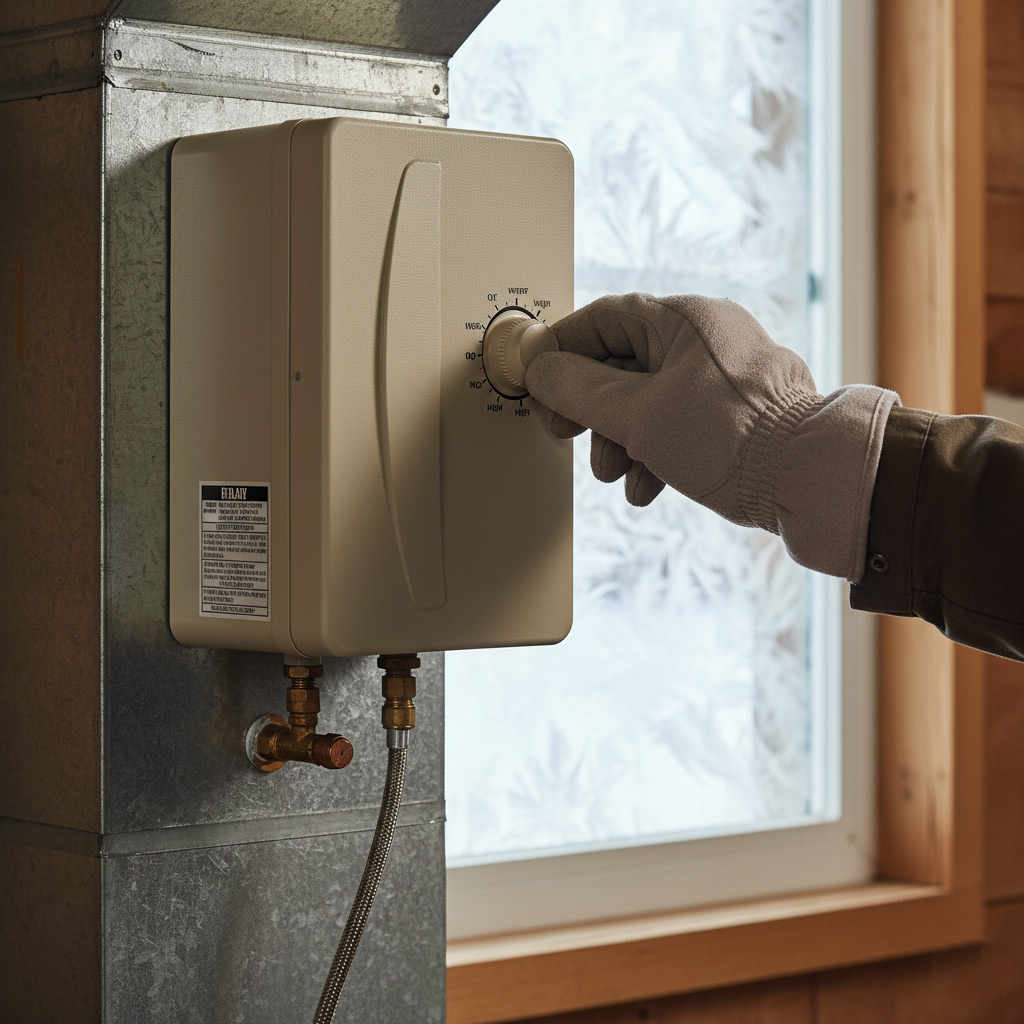
Identifying Common HVAC Problems: Beyond the Obvious Symptoms
Sure, a broken AC that blows warm air is pretty obvious. But many critical HVAC issues start with subtle whispers, not loud shouts. The trick is understanding that the symptom you see often isn't the whole story; it's just the tip of a potentially expensive iceberg.
For instance, an outdoor unit freezing up with ice isn't just "cold." It could signal low refrigerant levels, a dirty air filter severely restricting airflow, or even a blower motor that’s failing. Similarly, a strange clicking noise might indicate a faulty relay, while a burning smell is a clear sign of an electrical problem – which is a serious safety concern that demands immediate attention.
Before you even think about a DIY solution, practice being an astute observer. What are the specific sounds? Is there a peculiar odor? What's the exact temperature difference? Careful observation helps us narrow down the actual culprit, allowing for a precise repair rather than a costly guessing game. Don't just focus on the discomfort; look for the clues your system is giving you.
Atlanta HVAC Case Study: The Cost of a Misdiagnosed DIY Repair
Consider the story of a homeowner, let's call him Mark, right here in Smyrna, GA. His AC unit began making a peculiar humming sound – not quite a grinding, but definitely off. Mark, like many others, consulted online forums and decided it must be a failing capacitor, a relatively inexpensive part.
He ordered a new one, watched a YouTube tutorial, and confidently swapped it out. The humming stopped, and the AC seemed to run fine for a few days. Mark felt pretty smart, thinking he’d dodged a costly service call. However, the humming returned, louder this time, followed by the unit completely failing during a brutal Atlanta heatwave.
When our technicians finally arrived, the real issue wasn't the capacitor at all. The underlying problem was a clogged condenser coil that was causing the compressor to overheat. The new capacitor, while perhaps not strictly necessary, only temporarily masked the deeper issue. Because the compressor was forced to work overtime for weeks, it suffered irreversible damage.
What could have been a simple, affordable coil cleaning and inspection for a few hundred dollars escalated dramatically. Mark ended up needing a full compressor replacement, costing him well over $2,500. The initial 'DIY save' turned into a much larger, more inconvenient, and frankly, avoidable expense. It's a stark reminder: guessing can be expensive.

When Professional Help Becomes a Necessity, Not An Option
Look, there are times you just have to drop the wrench and pick up the phone. When you're dealing with anything related to electrical wiring, gas lines, or refrigerant leaks, that's it. These aren't minor fixes; they're serious safety hazards that demand the immediate attention of a licensed, trained professional. Period.
Forget about Google for these issues – a DIY attempt here could lead to electrocution, fire, or toxic exposure. If your unit is making grinding noises, emitting strange odors, or completely failing to heat or cool, you’re past the point of simple troubleshooting. Modern HVAC systems are intricate, demanding specific diagnostic tools and specialized knowledge that YouTube videos just can't provide.
Trying to patch up a critical system failure yourself often means you'll spend more in the long run. You could void your warranty, create more damage, or still end up calling us, but for a much more expensive repair. For the severe problems, professional intervention isn't just a suggestion; it's the only smart move to protect your home, your family, and your wallet.
The Long-Term Value and Benefits of Professional HVAC Service
When you bring in a professional HVAC technician, you're not just paying for a quick fix. You're investing in a specialist who possesses years of training, factory certifications, and access to sophisticated diagnostic tools. This expertise means they can accurately identify root causes, not just surface symptoms, preventing potential future breakdowns. Think of it as preventative medicine for your home's most vital comfort system.
Regular professional maintenance, for instance, ensures your unit runs at peak performance, drastically cutting down on those dreaded Atlanta utility bills. They'll clean coils, check refrigerant levels, and tighten electrical connections – all critical tasks that prolong the life of your equipment. Plus, professional service often keeps your manufacturer's warranty valid, something a botched DIY attempt could instantly void. It’s about protecting your investment and enjoying consistent, reliable comfort.
Final Words
You now know what you *can* safely check and, more importantly, when to back away from that thermostat. Your HVAC system is a complex network of electrical, refrigerant, and mechanical components demanding respect. A quick online search won’t replace years of specialized training, especially given Atlanta’s intense climate stresses on your unit.
The real secret to saving money isn't necessarily fixing everything yourself. It's about making smart decisions that protect your investment and prevent catastrophic failures. This means understanding that a professional diagnosis from our certified technicians can often pinpoint the true problem long before it escalates, saving you significant headaches and costs down the road.
Don't fall into the trap of short-term savings leading to long-term pain. When your comfort is on the line, especially during a Georgia heatwave or cold snap, you want solutions that are reliable and warrantied. Your home comfort is too important to leave to chance.
People Also Ask
What basic HVAC checks can an Atlanta homeowner safely perform?
Atlanta homeowners can safely check their thermostat settings, replace dirty air filters, and ensure all vents are open and unobstructed. They should also clear debris from around the outdoor unit and check the electrical panel for tripped circuit breakers.When should I avoid DIY HVAC repairs and call an expert in Atlanta?
You should immediately call a professional for issues involving refrigerant leaks, complex electrical wiring, or any internal component repair within the sealed system. Tampering with these high-risk elements can be dangerous, cause further damage, and void your unit's warranty.What are common signs of HVAC problems in Atlanta homes?
Common signs of HVAC issues include unusual noises (grinding, banging, squealing), inconsistent heating or cooling throughout your home, and sudden spikes in your energy bills. Other indicators are strange odors, water leaks near the indoor unit, or a system that frequently cycles on and off.Can DIY HVAC repairs actually save money in the long run for Atlanta residents?
While a simple DIY fix might appear to save money initially, improper repairs often lead to more significant, costlier damage, and potential safety hazards down the line. Professional diagnosis and repair prevent costly mistakes and ensure your system operates efficiently and safely for years to come.Is it worth getting professional HVAC maintenance annually in Atlanta?
Yes, annual professional HVAC maintenance is highly recommended for Atlanta residents. It ensures your system runs efficiently, extends its lifespan, helps prevent unexpected breakdowns during peak seasons, and maintains indoor air quality, ultimately saving you money on energy bills and future repairs.
Atlanta HVAC delivers professional heating, ventilation, and air conditioning services. The team brings significant experience and local understanding to every project in Atlanta, GA. They are committed to reliable comfort solutions for the community.
Need HVAC?
For businesses and residents in Atlanta, GA and surrounding communities, we provide rapid, effective solutions that achieve desired outcomes without delay.
Fast Quote